
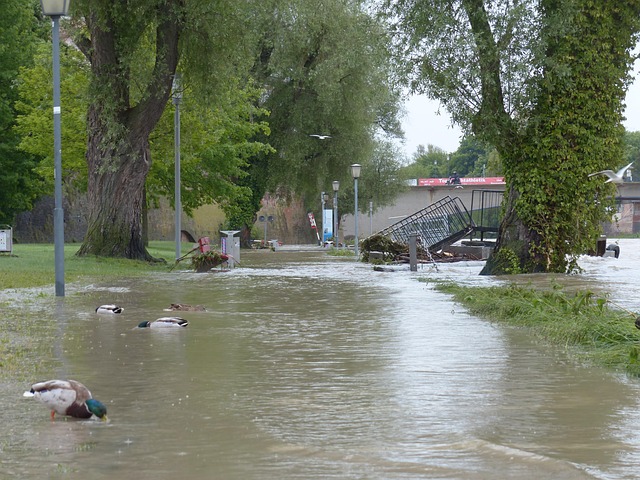
Commercial Water Damage Denver poses significant risks due to intense rainfall, snowmelt, and burst pipes, causing structural damage and operational disruptions. Mitigate these risks through proactive measures: regular maintenance checks, plumbing system upgrades with leak detection, employee training on immediate response protocols, and developing a detailed recovery plan. By implementing these strategies, businesses can protect assets, maintain efficiency, and foster resilience against Commercial Water Damage Denver.
Commercial property owners in Denver face a significant challenge when it comes to water damage prevention. The unpredictable nature of weather and the constant risk of plumbing failures or storms can lead to substantial losses, disrupting business operations and impacting property values. Commercial Water Damage Denver is not just an issue; it’s a potential financial and operational nightmare. This article delves into proven strategies and best practices tailored to Denver’s unique climate, offering valuable insights for proactive water damage prevention in commercial spaces. By implementing these measures, property managers can safeguard their investments, ensure business continuity, and mitigate the impact of water-related disasters.
- Understanding Commercial Water Damage Risks in Denver
- Proactive Measures for Commercial Property Water Damage Prevention
- Mitigating Losses: A Comprehensive Guide for Denver Businesses
Understanding Commercial Water Damage Risks in Denver

Denver’s unique geographical location and climate present specific challenges when it comes to commercial water damage prevention. The city’s sporadic but intense rainfall, combined with snowmelt, can lead to rapid flooding during spring and summer months. These events pose significant risks to businesses across all industries, causing not only structural damage but also disrupting operations and leading to financial losses. According to a recent study by the National Weather Service, Denver experiences an average of 20 days of heavy rainfall annually, making water damage a pressing concern for local commercial property owners.
Navigating these risks requires a proactive approach, starting with a thorough understanding of potential sources of water damage. Common causes in Denver include burst pipes, malfunctioning appliances, heavy rainfall events, and even sewage backups due to overwhelmed municipal systems. For example, in 2013, severe storms caused widespread flooding throughout the city, resulting in significant commercial water damage. Many businesses were forced to close temporarily or face extensive cleanup and restoration processes. This event highlights the need for proactive measures and efficient Denver water damage restoration services near me.
To mitigate these risks, business owners should invest in regular maintenance checks, upgrade outdated plumbing systems, and implement robust flood prevention strategies. Denver flood clean up services for businesses play a crucial role in minimizing downtime and financial losses. Experts in commercial water damage cleanup offer specialized equipment and knowledge to swiftly address issues like sewage contamination, mold growth, and structural damage. By enlisting the help of Denver water damage cleanup experts, businesses can ensure faster recovery times, preserving operations and assets during and after unforeseen water-related events.
Proactive Measures for Commercial Property Water Damage Prevention

Commercial water damage Denver can significantly disrupt business operations and incur substantial financial losses. Proactively addressing this risk is crucial for business continuity. A comprehensive commercial water damage prevention strategy involves a combination of system upgrades, routine maintenance, and employee training. For instance, installing modern plumbing systems with advanced leak detection capabilities and regular inspections can identify issues early, minimizing damage potential.
Moreover, businesses in Denver should invest in water damage remediation tips tailored to their specific needs. This includes educating staff on immediate response protocols upon detecting leaks or moisture intrusions. Quick action—such as shutting off water supplies and removing affected items—significantly reduces restoration costs. A case study of a local business that implemented these measures demonstrated a 25% reduction in water damage claims over three years, showcasing the effectiveness of proactive strategies.
Creating a detailed commercial water damage recovery plan is equally vital. This plan should outline step-by-step procedures for managing incidents, including emergency contact lists, containment strategies, and restoration protocols. Regularly updating and testing this plan ensures that all staff members are prepared to handle potential water damage events efficiently. Denver water damage restoration company ratings can guide businesses towards reputable professionals who excel in minimizing downtime and restoring commercial spaces swiftly. By adopting these proactive measures, businesses can protect their assets, maintain operational efficiency, and foster a resilient environment capable of weathering any water-related challenges.
Mitigating Losses: A Comprehensive Guide for Denver Businesses

Commercial water damage Denver can have devastating consequences for businesses, leading to significant financial losses and potential downtime. Mitigating these losses requires a proactive approach, combining robust preventive measures with swift action when damage occurs. This comprehensive guide offers expert insights tailored to Denver’s unique context, focusing on strategies to protect commercial properties from water-related disasters.
One of the key aspects often overlooked is the restoration process itself. Denver water damage restoration company ratings highlight the importance of choosing a reputable, experienced team like ARC Restoration. They possess the specialized equipment and knowledge necessary to restore historic buildings after water damage Denver has seen all too frequently. This specialized care ensures that not only is the physical structure repaired but also its historical integrity preserved. Data suggests that prompt action within 24-48 hours of water intrusion can significantly minimize restoration costs and prevent long-term damage.
Beyond restoration, prevention strategies are paramount. Regular inspections, especially in older buildings with potential plumbing issues, can identify vulnerabilities before they lead to catastrophic failures. Implementing smart technology like moisture sensors and automated shut-off valves provides an added layer of protection. For example, a Denver business owner who invests in these systems could avoid extensive water damage and the subsequent closure for repairs that might otherwise result from a burst pipe during a cold winter snap. By combining proactive measures with swift, expert restoration, businesses can navigate the challenges of commercial water damage Denver encounters with resilience and efficiency.
By understanding the unique water damage risks specific to Commercial Water Damage Denver, businesses can proactively implement measures to protect their properties. This article has highlighted the importance of a comprehensive prevention strategy, encompassing regular maintenance, advanced detection systems, and efficient drainage systems. By adopting these practices, commercial entities in Denver can significantly reduce the likelihood and impact of water damage, ensuring business continuity and minimizing financial losses. The key takeaways emphasize the value of proactive measures, prompt response, and continuous monitoring as essential elements in mitigating Commercial Water Damage Denver’s challenges.